
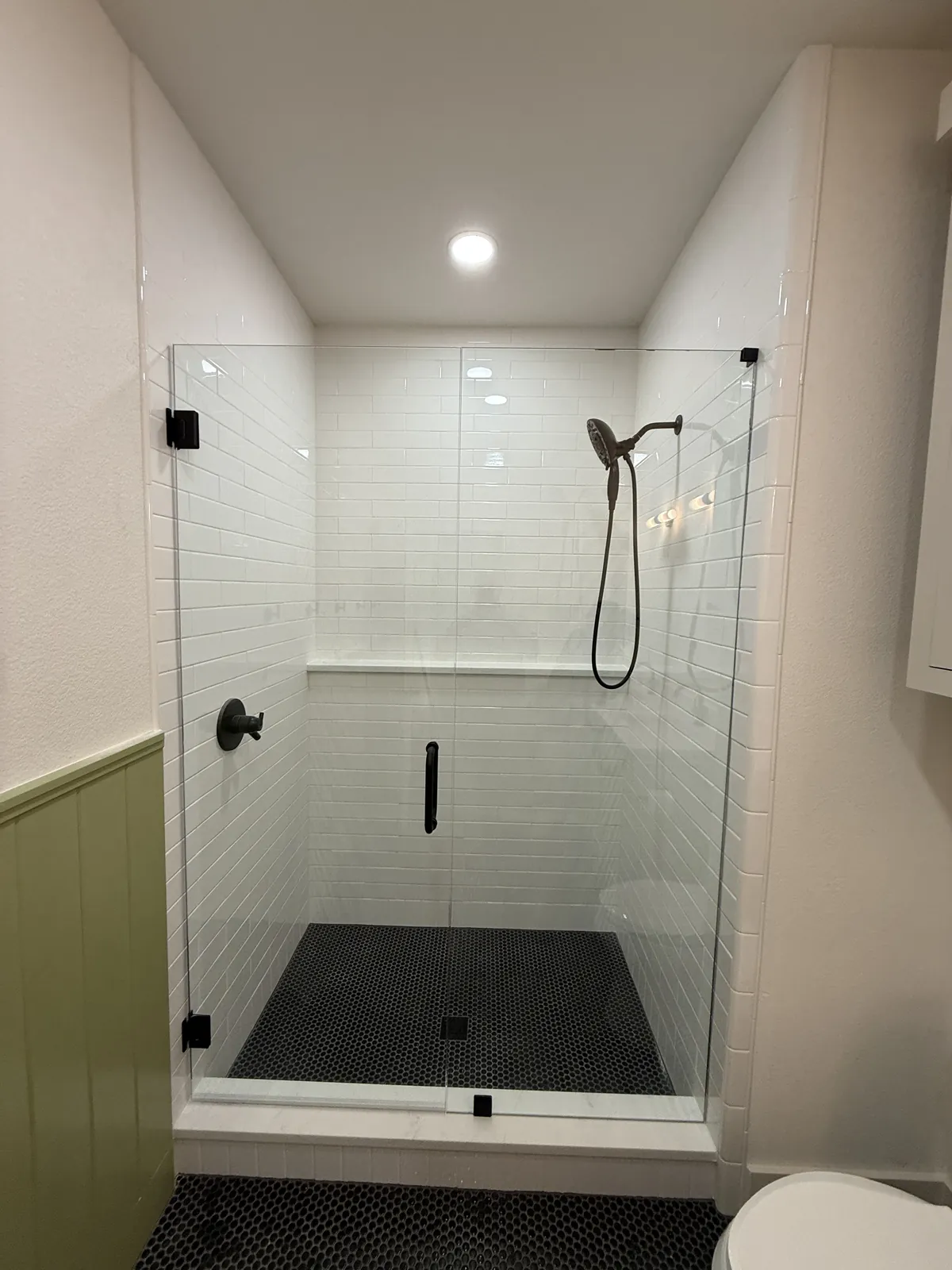
Wet floors, a high tub edge and a narrow entrance can make a bathroom difficult to use for someone with limited balance or mobility. Look at the room from that person's point of view. The changes below can reduce hazards, though no layout can remove every risk of a fall.
Small changes can remove some everyday obstacles. More substantial changes, such as replacing a tub, need to be planned around the person who will use the room.
Start by looking at access, support and the route through the bathroom.
Upgrade to a walk-in shower
If stepping over a tub wall is hard, a walk-in shower with a low curb or no curb removes the biggest obstacle. Walk-in showers are also more spacious and can include safety features such as non-slip bath mats, grab bars, and shower seats. There are many options available at your local home improvement store, but if you want a custom walk-in shower door, contact an experienced glass company. A custom walk-in shower will be designed with your bathroom’s layout and available shower space in mind. A custom-made walk-in shower can be planned around the person who will use it.
A flat, wide shower entrance
A flat and wide shower entry offers a more bathroom-accessible design for seniors and an ideal bathing solution for people who have trouble getting in and out of a tub. With a curbless shower door design, the user won’t have to lift their leg over the tub to get into the shower, which can be a major issue for seniors with mobility issues and can affect their balance, resulting in a fall. A flat, wide entry is also the starting point for a shower that works with a wheelchair. Combined with a transfer bench, and a shower chair, your shower space will be more accommodating for your senior loved ones. Seniors with disabilities or conditions such as arthritis can find it painful to lift their legs high enough to get into a traditional shower or tub. A curbless entry saves someone with arthritis or stiff hips from lifting a leg over a tub wall.
Install a shower bench
A built-in bench or a height-adjustable shower chair lets the person sit to wash instead of balancing on a wet floor.
Put in grab bars
Put grab bars at the entrance, inside the shower and by the toilet, fixed into studs or blocking. The ADA standard puts horizontal grab bars 33 to 36 inches above the floor. A glass door handle or towel bar is not a grab bar.
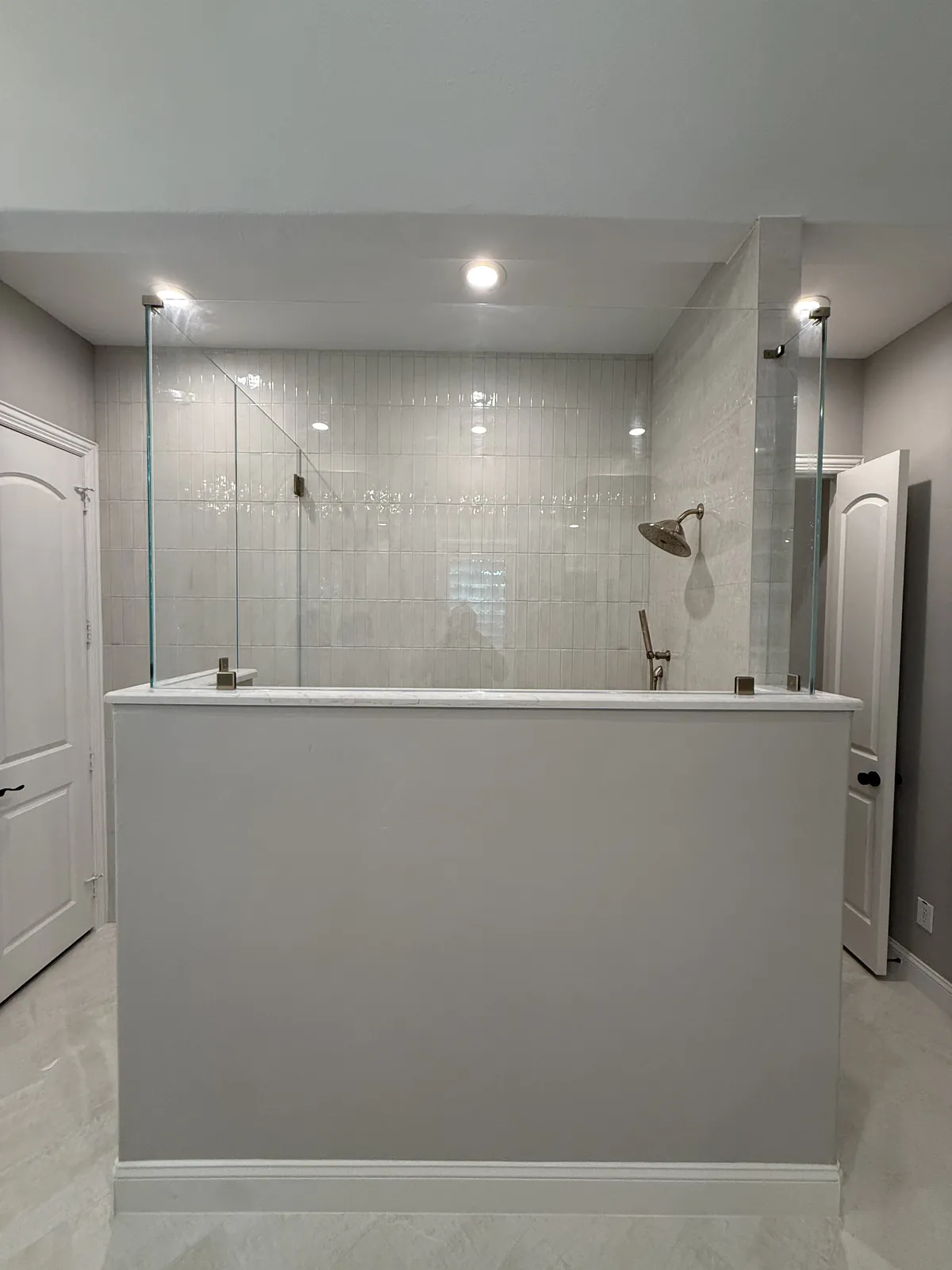
Shower and tub safety precautions
Beyond a walk-in shower, grab bars and a seat, a few simple changes help.
Install a handheld shower
A handheld shower head will make it easier for seniors to shower, especially if they’re using a shower bench. It also minimizes the need for movement and comes equipped with a variety of settings that users can choose based on personal preference.
Non-slip mats
A non-slip mat inside the shower gives feet traction. Outside, use a mat with a non-slip backing that lies flat, or none at all.
Avoid shower hazards
Aside from slippery surfaces and water, there are other obstacles in the bathroom that can cause injuries. Seniors have a slower reaction time, reduced visibility, and reduced movement, which makes them more likely to have trouble in bathroom settings. Some common bathroom hazards that can cause a potential injury include:
- Dim lighting
- Unsecured mats
- Hampers
- Water on the bathroom floor
- Sharp corners
- Slick bathroom floor
Discuss the layout with the family member who will use it. Their reach, balance and room to move should guide the changes.
If an elderly family member lives with you, plan these changes with them. If a new walk-in or curbless shower is part of it, send us photos and rough dimensions of the opening. Don’t make the mistake of trying to handle this job by yourself. Contact us today to learn more.